Daily 10‑minute stretches, pillow between legs, and hourly standing break form a routine that keeps sciatica at bay. Knee‑to‑chest, foot‑on‑opposite‑knee, figure‑4, lower‑back compression, glute bridge, single‑leg bridge target key muscles, preventing flare‑ups. Daily resilience grows. daily!?
Stretching as a Primary Relief Strategy
When sciatica flares, the first line of defense is a focused stretching routine that targets the piriformis, hamstrings, glutes, and lumbar flexors. A 10‑minute session, performed each morning and evening, can prevent the nerve from becoming compressed. The knee‑to‑chest stretch pulls the sciatic nerve away from the piriformis, while the foot‑on‑opposite‑knee position elongates the hamstrings and releases tension in the posterior chain. The figure‑four stretch, especially the advanced version that holds the front leg, opens the hip joint and reduces pressure on the sacroiliac region. Lower‑back compression, performed lying down, gently flattens the lumbar curve, counteracting the natural lordosis that often aggravates sciatica. Complementary glute activation—glute bridges and single‑leg hamstring bridges—strengthens the posterior chain, allowing the lower back to rest. Consistency is key; integrating these stretches into a daily routine eliminates the need for medication and reduces the risk of chronic pain.
Adopting these movements daily not only alleviates pain but also improves posture, core stability, and mobility. By consistently engaging the glutes and hamstrings, the lumbar spine receives support, reducing the load on the sciatic nerve. Over time, the body adapts, and the risk of flare‑ups diminishes, allowing a return to active pursuits such as sports and weight training. yoga practice enhances flexibility. always daily
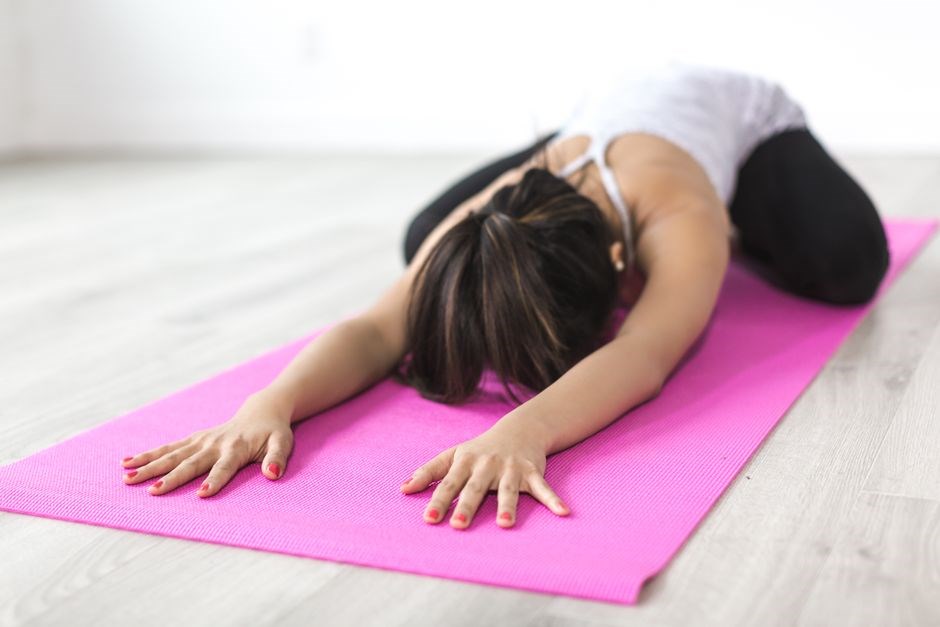
Sleep Positioning for Spine Alignment
Sleeping with a pillow between the knees keeps the lumbar curve neutral, reducing sciatic pressure. Lie on your side, knees slightly bent, and place the pillow snugly between them. This simple adjustment promotes spinal balance and eases nighttime pain. Consistency improves recovery. Daily! Ok!!!
Pillow Between Legs Technique
When you lie on your side, place a firm pillow between your knees. This simple adjustment keeps the pelvis level, reduces lumbar lordosis, and eases sciatic nerve tension. The pillow should be thick enough to fill the space without forcing the knees apart. Position your upper body so that the shoulder and hip align over the spine. Sleep on your side or back; if on your back, place the pillow under the knees to maintain a neutral curve. Consistency promotes spinal stability, decreases nighttime pain, and supports muscle recovery. Use a supportive mattress and avoid excessive pressure on the lower back. Adjust the pillow height as needed for comfort, and replace it when it loses shape. This routine is low‑cost, non‑invasive, and can be integrated into any sleep schedule. Over time, many users report reduced sciatica flare‑ups and improved sleep quality. Remember to combine this with regular stretching and movement breaks for optimal results. Adopting this pillow technique consistently can transform your nightly routine, fostering a healthier spine and a more restful sleep experience. It is a simple, cost‑effective strategy that complements daily stretching and ergonomic habits. When selecting a pillow, choose medium‑firm support that keeps the pelvis level. Avoid overly soft pillows that collapse the knees. For side sleepers, a thicker pillow can fill the gap between hips, ensuring neutral spine. Adjust height gradually until comfortable. Over time, tweak placement to maintain alignment. This simple adjustment can significantly reduce nighttime sciatic pain. It also supports better sleep quality. Great!!.
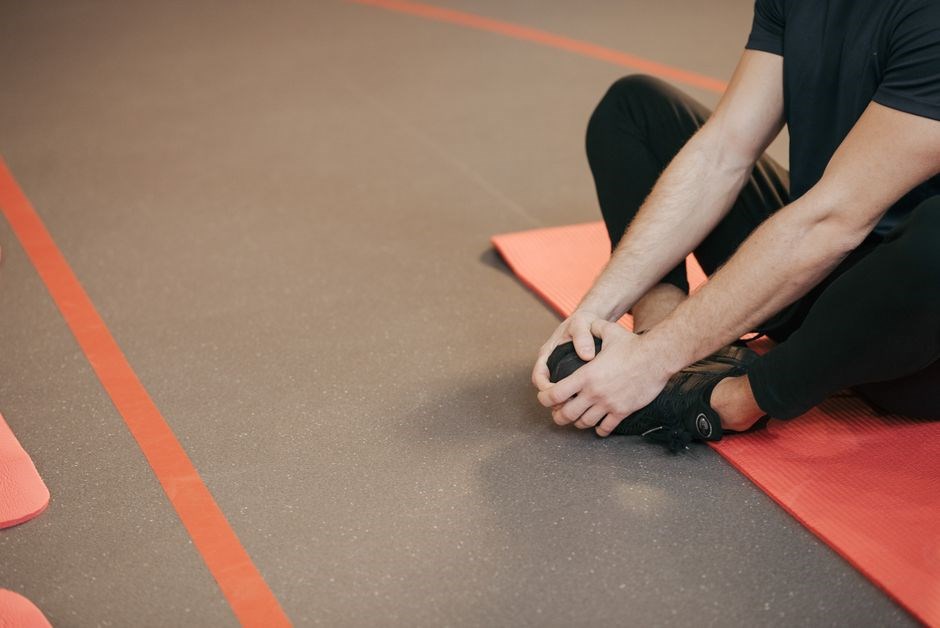
Workstation Ergonomics and Movement Breaks
Maintain a neutral spine, adjust chair height, use a footrest, and take 5‑minute breaks every 90 minutes. Stand, stretch, and walk to counteract prolonged sitting, reducing sciatic tension.
Consistency eases daily discomfort every day soon.
Standing Up Every Hour‑Two
Standing every hour‑two is a practical compromise between ideal half‑hour breaks and the realities of deep work. The goal is to interrupt prolonged sitting, which encourages lumbar flexion and nerve compression. When you stand, gravity assists in decompressing the spinal discs, while the shift in posture activates the core and gluteal muscles that support the lower back. At your desk, lift feet off the floor, shift weight to one leg, and flex the opposite knee toward your chest for 8–10 seconds. Then, perform a standing hamstring stretch by placing the heel of one foot on a low step or chair, keeping the leg straight and the torso upright; hold for 15 seconds, then switch legs. A quick squat or calf raise also engages the posterior chain and improves circulation. Aim for 3–4 repetitions of each movement, and try to stand for at least 1–2 minutes during each break. This brief activity not only reduces sciatic pain but also boosts alertness and productivity. Consistency is key; set a use a standing reminder app to keep yourself accountable. Over time, micro‑breaks strengthen the spine, making the lower back more resilient to daily stress and daily exercise routine for health. Remember, the objective is not to replace proper ergonomic setup but to complement it with movement that keeps the nervous system from becoming overstressed. Additionally, a seated stretch can ease some tension. Moreover, consider using a standing desk for a portion of the day, allowing you to alternate between sitting and standing without losing focus. Research indicates that standing for 30 minutes each hour can significantly reduce lower back pain and improve circulation. If a full standing desk is not feasible, a simple footrest or a small elevated platform can mimic the benefits. Finally, remember to breathe deeply during each movement; controlled breathing enhances relaxation and reduces muscle tension around the sciatic nerve. Tracking your progress with a simple log can reinforce consistency. Note the time you stand, the exercises performed, and any changes in pain levels. Over weeks, you will notice a gradual decline in flare‑ups, allowing you to enjoy activities like walking, cycling, or sports without interruption. This holistic approach, combining movement, ergonomics, and mindful habits, forms the cornerstone of long‑term sciatica management. Be steady.
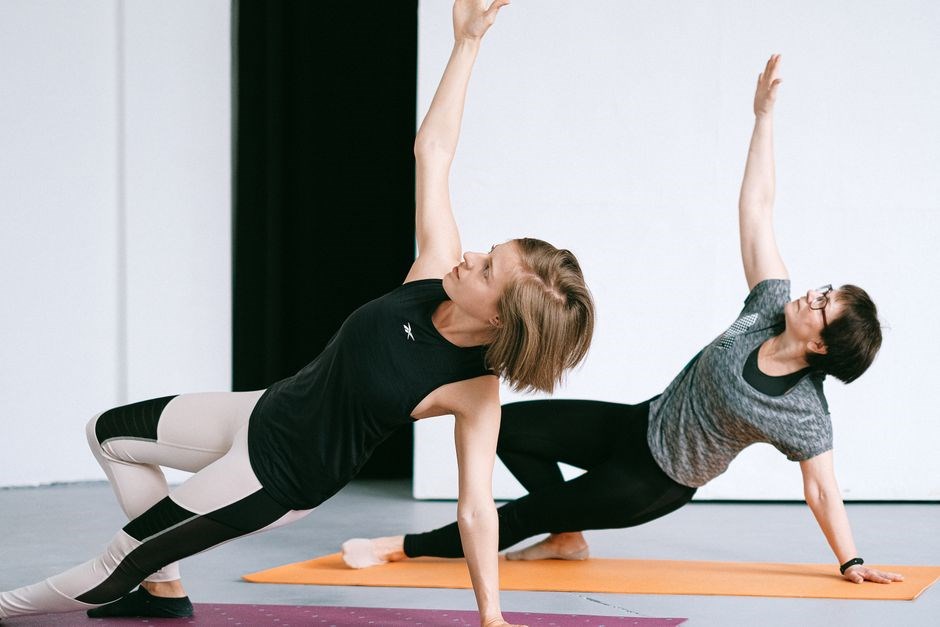
Morning Stretching Routine Outline
Beginwith a gentlewarm‑up: marchin place 2 minutes.Then perform 3 sets of knee‑to‑chest (8s hold), foot‑on‑opposite‑knee (8s), figure‑4 (8s), lower‑back compression (8s). Finishwith 3 sets of glute bridge (30 reps)and single‑leg bridge (10 reps)!!!!!!
10‑Minute Structured Flow
Start with a 30‑second gentle warm‑up: marching in place or light shoulder rolls to increase circulation. Next, perform the knee‑to‑chest stretch: bring one knee toward the chest, hold for 8 seconds, release, and repeat on the other side. Do three sets of this movement, allowing a 5‑second pause between sets. Follow with the foot‑on‑opposite‑knee position: place the ankle of the active leg over the knee of the opposite leg, gently press the knee toward the floor, hold for 8 seconds, then switch sides. Perform three sets. The figure‑four stretch is next: lie on your back, cross one ankle over the opposite knee, and pull the lower leg toward the chest, holding for 8 seconds; repeat on the other side, completing three sets. Then execute the lower‑back compression: lie supine, knees bent, gently press the lower back into the floor, hold for 8 seconds, release, and repeat for three sets. Transition to glute bridges: lie on your back, feet flat, lift hips into a bridge, hold for a moment, lower, and repeat for 30 reps per set, completing three sets. Finally, finish with the single‑leg hamstring bridge: extend one leg straight, lift hips, hold for a moment, lower, and repeat for 10 reps per side, completing three sets. This structured flow ensures targeted muscle activation, improved flexibility, and reduced sciatic nerve irritation. Consistency transforms daily habits into lasting relief, empowering movement without pain. Let the routine become a rhythm that supports spine health and confidence. The routine becomes rhythm that supports healthconfidencenow!!.so Lorem ipsum dolor sit amet, consectetur adipiscing elit, sed do eiusmod tempor incididunt ut labore et dolore magna aliqua. Ut enim ad minim veniam, quis nostrud exercitation ullamco laboris nisi ut aliquip ex ea commodo consequat. Duis aute irure dolor in reprehenderit in voluptate velit esse cillum dolore eu fugiat nulla pariatur. Excepteur sint occaecat cupidatat non proident, sunt in culpa qui officia deserunt mollit anim id est laborum.
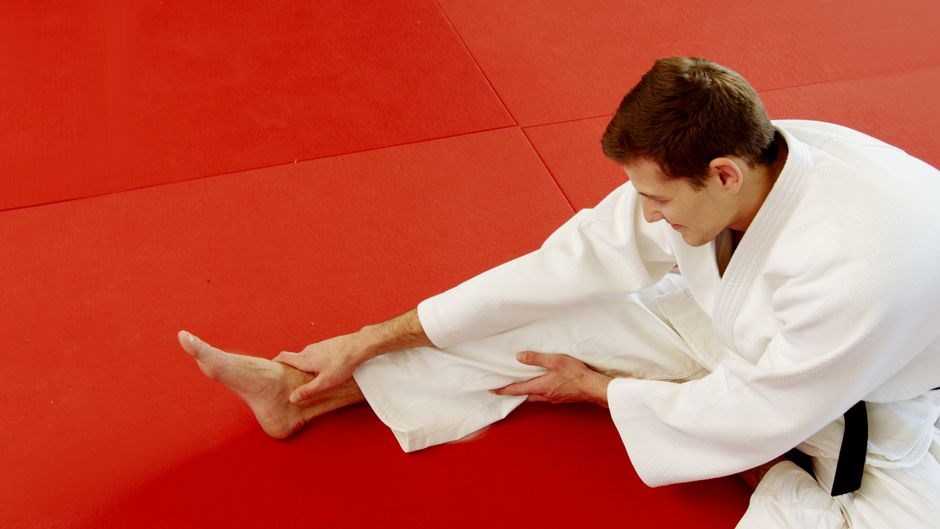
Evening Stretching Routine Outline
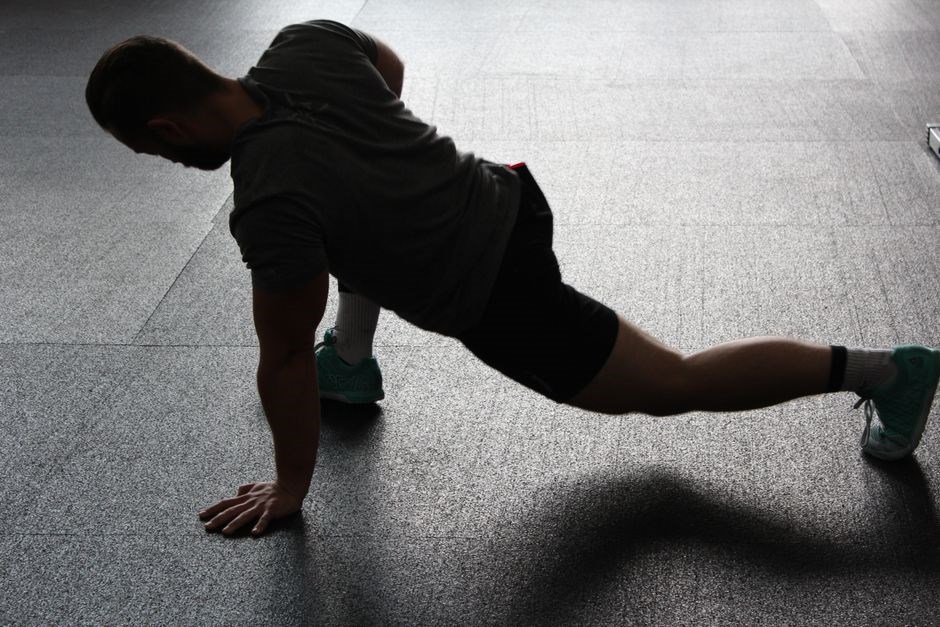
Wind down with a 10‑minute flow: gentle cat‑cow, knee‑to‑chest, figure‑four, lower‑back compression, glute bridge, single‑leg bridge. Hold each 8 s, 3 sets. Finish with deep breathing, promoting relaxation and spinal health. Stay consistent. Daily.OK!
10‑Minute Relaxation Flow
Begin by lying on your back, knees bent, feet flat on the floor. Inhale, arch your spine slightly, exhale, gently lower your lower back toward the mat, holding for 8 seconds. Repeat 3 times. Next, bring one knee toward your chest, hold 8 seconds, switch legs, 3 sets. Then, cross the ankle over the opposite knee, press the bent knee down, hold 8 seconds, 3 sets. Follow with a glute bridge: lift hips, squeeze glutes, hold 8 seconds, 3 sets. Finish with a single‑leg hamstring bridge: extend one leg, lift hips, hold 8 seconds, 3 sets. Throughout, focus on slow, diaphragmatic breathing, inhaling through the nose, exhaling through the mouth, to promote relaxation and reduce tension in the sciatic nerve pathway. This routine takes 10 minutes, supports spinal alignment, and encourages a calm mind before sleep. Remember to keep your shoulders relaxed, let your arms rest beside you, and maintain a neutral neck position. If you have a foam roller, gently roll the upper back before starting to release tension. After completing the flow, sit up slowly, stretch your arms overhead, and take a few moments to notice how your body feels. Consistency is key; doing this nightly can help maintain a healthy spine and prevent future flare‑ups. If you feel any discomfort, pause and adjust the stretch or consult a professional. The goal is to ease sciatic tension, improve circulation, and foster a peaceful transition into rest; By integrating this 10‑minute relaxation flow into your evening routine, you create a dedicated time for your body to heal and your mind to unwind, setting the stage for a restorative night’s sleep and a refreshed start tomorrow.
Core Stretching Exercises
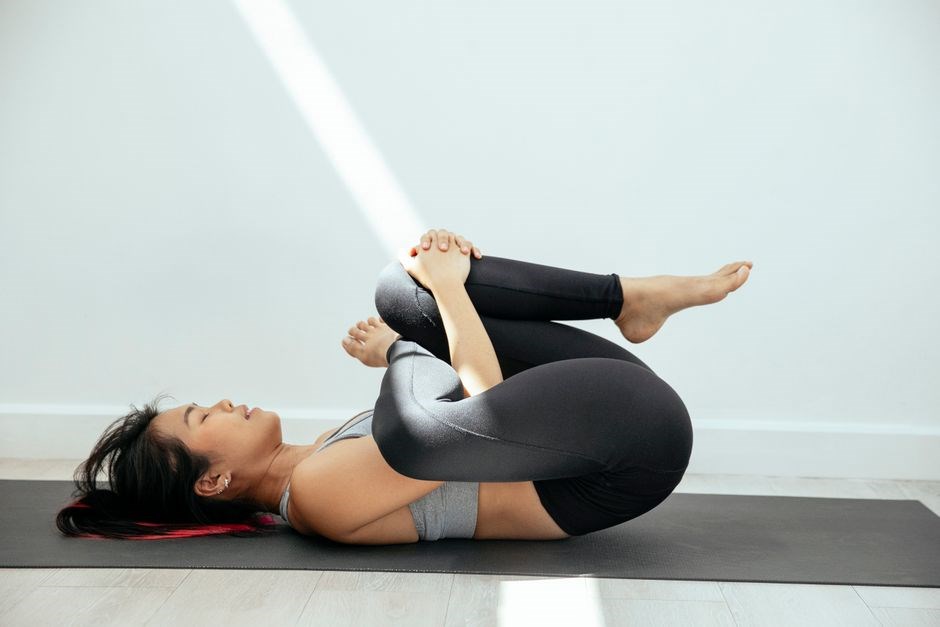
Perform knee‑to‑chest, hold 8 s, 3 sets. Next, foot‑on‑opposite‑knee, bend knee, hold 8 s, 3 sets. Then figure‑4 stretch, hold 8 s, 3 sets. Finish with lower‑back compression, hold 8 s, 3 sets. Repeat nightly for relief. Keep breathing deep, stay consistent.!
Knee to Chest, Foot on Opposite Knee Bend, Figure‑4, Lower‑Back Compression
Begin with the knee‑to‑chest stretch: lie on your back, pull one knee toward the chest, keep the other leg flat. Hold for 8 seconds, release, repeat 3 times per leg. Next, the foot‑on‑opposite‑knee bend: sit upright, cross one leg over the other, gently lean forward until the crossed knee feels a mild stretch. Hold 8 seconds, 3 sets each side. The figure‑4 stretch follows: lie on your back, bend both knees, place the ankle of the right leg over the left thigh, then pull the left knee toward the chest. Hold 8 seconds, 3 sets per side. Finally, lower‑back compression: lie supine with knees bent, feet flat, gently press the lower back into the floor, creating a slight flattening of the lumbar curve. Hold 8 seconds, release, 3 sets. Consistency in these four movements strengthens the core, eases sciatic tension, promotes spinal alignment time. Each movement targets specific muscle groups that influence sciatic nerve irritation. The knee‑to‑chest stretch lengthens the hamstrings and glutes, reducing posterior chain tension. The foot‑on‑opposite‑knee bend focuses on the piriformis, a common source of nerve compression. The figure‑4 stretch mobilizes the hip joint, improving range of motion and decreasing stiffness. Lower‑back compression helps decompress the lumbar spine, encouraging proper curvature and alleviating pressure on the nerve roots. Perform each stretch slowly, breathing deeply, and avoid any sharp pain. Over weeks, consistent practice can diminish flare‑ups, enhance mobility, and support overall spinal health. Remember to integrate these stretches into a routine that also includes core strengthening and movement throughout the day!’
Glute Activation Movements
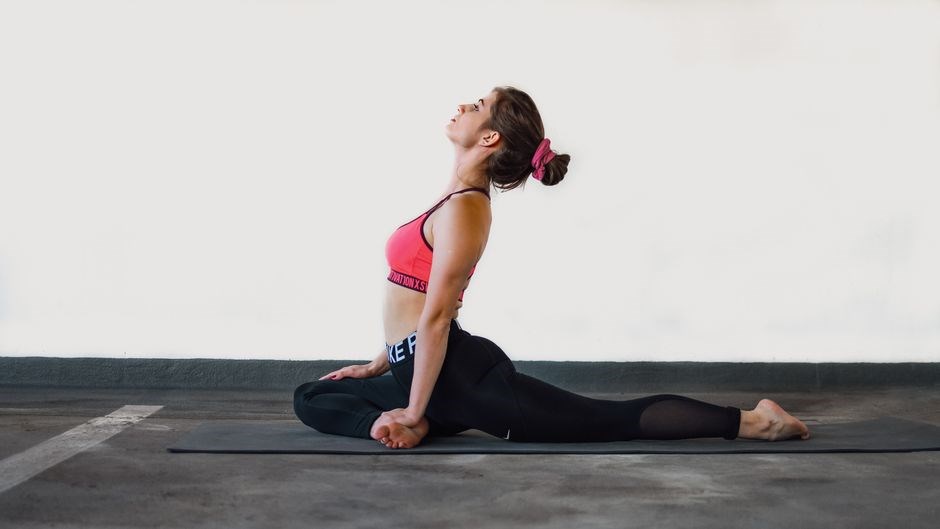
Glute bridges strengthen posterior chain, reducing lower‑back load. Perform 30 reps, 3 sets, ensuring hips lift fully. Single‑leg hamstring bridges isolate each side, 10 reps, 3 sets, improving balance and activation. Consistency combats sciatic painPractice builds resilience, easing nerve irritation now
Glute Bridge and Single‑Leg Hamstring Bridge
Glute bridges and single‑leg hamstring bridges are cornerstone exercises for sciatica relief. By engaging the gluteus maximus, medius, and minimus, these movements counteract the over‑activation of lumbar extensor muscles that often compress the sciatic nerve. To perform a glute bridge, lie on your back with knees bent and feet flat on the floor, hip‑width apart. Engage the core, squeeze the glutes, and lift the hips until the body forms a straight line from shoulders to knees. Hold for a brief moment, then lower slowly. Aim for 30 repetitions per set, completing three sets each day. The single‑leg hamstring bridge adds unilateral challenge, isolating each side to correct muscular imbalances. From the bridge position, extend one leg straight upward, keeping the other foot on the floor. Maintain a neutral spine and avoid arching the lower back. Lower the hips back to the starting position, then repeat. Perform 10 repetitions per leg, three sets. Consistency is key: integrating these exercises into a daily routine reduces sciatic tension, improves posture, and promotes long‑term spinal health. Combine with gentle stretching and proper ergonomics for optimal results. Regular practice also enhances core stability, which supports the lumbar region and further alleviates nerve pressure. Additionally, these bridges can be modified with resistance bands or weighted plates to increase intensity as strength improves. Always monitor form to prevent compensatory movements that could worsen symptoms. When executed correctly, these bridges not only strengthen glutes but also create a balanced pelvis, reducing the likelihood of future sciatic flare‑ups and allowing you to maintain an active lifestyle without pain. Incorporating these movements into a structured routine, along with proper sleep positioning and ergonomic habits, forms an approach that addresses both the root causes and the symptoms of sciatica, ensuring long‑term relief and functional mobility.
Supplementary Practices and Resources
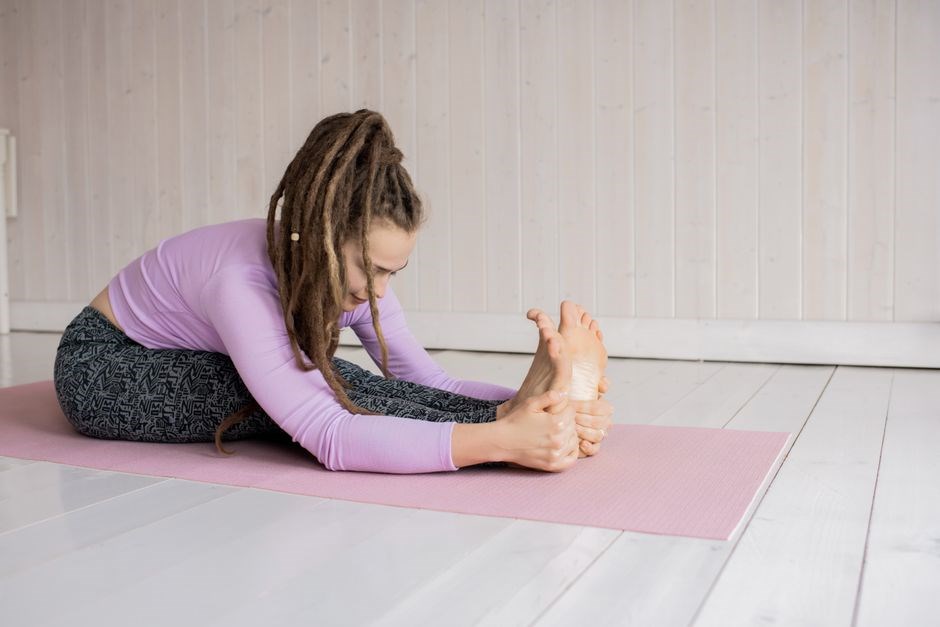
Intermittent fasting, guided PDF resources, and mindful movement support sciatica relief. Download free PDFs detailing daily stretches, posture tips, and nutrition plans. Combine fasting windows with consistent exercise for holistic improvement. Stay consistent and consult professionals for help.

Intermittent Fasting and PDF Guides
Intermittent fasting (IF) has emerged as a complementary strategy for managing chronic pain, including sciatica. By cycling periods of eating and fasting, IF may reduce systemic inflammation, lower oxidative stress, and improve metabolic flexibility—all factors that influence nerve health. A 16:8 schedule—fasting for 16 hours and eating within an 8‑hour window—fits easily into most lifestyles, allowing users to perform their daily 10‑minute stretch routine during the feeding window when energy is highest. Research indicates that IF can enhance autophagy, the body’s natural cleanup process, which may help repair damaged spinal tissues and reduce pain flare‑ups. For those seeking structured guidance, downloadable PDF guides provide step‑by‑step instructions on combining IF with targeted stretches. These guides outline meal timing, hydration strategies, and a weekly progression plan that aligns fasting windows with the most effective stretch sessions. Additionally, many PDFs include troubleshooting tips for common IF challenges, such as hunger pangs or low energy during workouts, and offer sample menus that support joint health through anti‑inflammatory foods. By integrating IF with a consistent stretching regimen, individuals can create a synergistic approach that addresses both the root causes of sciatica and the lifestyle habits that sustain long‑term relief. Take advantage of the free PDF and start your journey toward a stronger, healthier spine today. Now and heal