Healthcare settings demand rigorous manual handling training for workers, addressing the inherent risks of patient transfers and equipment movement.
Effective programs prioritize worker safety, minimizing musculoskeletal disorders (MSDs) and fostering a culture of safe practices within the healthcare environment.
Warehouse operations rely on manual handling, but it presents challenges and dangers for employees; best practices improve safety.
Training must encompass legal requirements, risk assessment, and proper techniques, ensuring compliance and protecting both patients and staff.
The Importance of Training
Comprehensive manual handling training is paramount within healthcare, directly impacting staff wellbeing and patient safety. It equips personnel with the knowledge to identify risks associated with tasks like patient transfers, lifting, and repositioning.
Effective training reduces the incidence of musculoskeletal disorders (MSDs), a significant concern in the healthcare sector. It fosters a proactive safety culture, empowering workers to utilize proper techniques and seek assistance when needed.
Furthermore, training ensures legal compliance, adhering to regulations designed to protect employees. It’s not merely about technique; it’s about creating a sustainable, safe working environment for all healthcare professionals, mirroring best practices in warehouse operations.
Scope of Manual Handling in Healthcare Settings
Manual handling in healthcare extends far beyond simple lifting. It encompasses a wide range of activities, including patient transfers – bed to chair, wheelchair assistance, and ambulation support. It also includes repositioning patients in bed, assisting with hygiene, and handling equipment like wheelchairs and hoists.
Training must address these diverse tasks, recognizing the unique challenges each presents. This scope includes both acute care and long-term care facilities, mirroring the demands of warehouse operations where varied material handling is common.
Effective programs cover not only physical techniques but also risk assessment and the appropriate use of assistive devices.

Understanding the Risks
Healthcare workers face significant risks from manual handling, including strains, sprains, and back injuries. Proper training identifies hazards and emphasizes preventative measures to safeguard both staff and patients.
Warehouse employees also encounter dangers, highlighting the universal need for safety protocols.
Common Musculoskeletal Disorders (MSDs)
Manual handling in healthcare frequently leads to Musculoskeletal Disorders (MSDs), impacting workers’ well-being and operational efficiency. Common MSDs include lower back pain, often stemming from improper lifting techniques or repetitive strain.
Carpal tunnel syndrome, affecting the wrists and hands, is prevalent due to repetitive movements during patient care. Shoulder injuries, such as rotator cuff tears, can occur from reaching and lifting.
Training programs must educate staff on recognizing early symptoms of MSDs, promoting prompt reporting and intervention. Ignoring these issues can lead to chronic pain and long-term disability, emphasizing the importance of preventative measures and ergonomic practices.
Risk Factors for MSDs in Healthcare
Several factors elevate the risk of MSDs for healthcare workers engaged in manual handling. Repetitive tasks, like patient transfers, contribute significantly to strain. Forceful exertions, when assisting patients with mobility, are also problematic.
Awkward postures, often adopted during patient care, increase stress on the musculoskeletal system. Static postures, holding positions for extended periods, can lead to fatigue and injury.
Insufficient training and a lack of appropriate equipment exacerbate these risks. Organizational factors, such as understaffing and time pressures, can compromise safe handling practices, necessitating comprehensive risk management strategies.
Legal and Regulatory Framework (UK)
In the UK, the Manual Handling Operations Regulations 1992 are paramount. These regulations place a duty on employers to reduce risks associated with manual handling. Comprehensive risk assessments are legally required before any handling activity.
Adequate training must be provided to all employees involved, covering safe lifting techniques and the use of equipment. Employers are obligated to implement a system for reporting and investigating manual handling injuries.
Compliance with these regulations is crucial to avoid prosecution and ensure a safe working environment for healthcare professionals.
Principles of Safe Manual Handling
Prioritize risk assessment, proper posture, and minimizing strain during all patient handling tasks. Effective teamwork and utilizing available aids are essential for safety.
Adherence to established guidelines protects both healthcare workers and patients from potential injuries.
The ‘PELICAN’ Approach (or equivalent)
The PELICAN mnemonic – Plan, Evaluate, Lift, Inspect, Carry, and Avoid – provides a structured framework for safe manual handling. This systematic approach emphasizes pre-planning each lift, assessing the risks involved, and utilizing correct lifting techniques.
Alternative frameworks, like the ‘STOP’ method (Stop, Think, Observe, Plan), achieve similar goals. Crucially, these methods promote awareness of load weight, body positioning, and the need for assistance when necessary. Regular training reinforces these principles, embedding them into daily practice.
Effective implementation requires consistent application and ongoing reinforcement.
Assessing the Risk – A Step-by-Step Guide
A thorough risk assessment begins with identifying the task – patient transfer, lifting equipment, or repetitive movements. Next, evaluate the hazards: weight of the load, distance, awkward postures, and environmental factors. Consider individual capabilities of both the healthcare worker and the patient, noting any limitations.
Implement control measures: utilize patient handling aids, seek assistance, or modify the task. Document the assessment, outlining identified risks and implemented controls. Regularly review and update assessments, especially after incidents or changes in procedures.
Prioritize prevention through proactive risk identification.
Understanding Patient Handling Aids
Patient handling aids are crucial for minimizing manual handling risks; Hoists and slings offer safe patient transfers, requiring proper sling selection and hoist operation training. Moving and handling belts provide secure grip for assisting with mobility, but are not for full lifting.
Glide sheets and turn discs reduce friction during repositioning, preventing shear injuries. Training must cover correct aid selection, inspection, and usage. Regular maintenance ensures equipment functionality and safety.
Proper aid utilization significantly reduces strain on healthcare workers.
Specific Techniques for Common Tasks
Manual handling training emphasizes safe techniques for frequent tasks like bed-to-chair transfers, lifting, and assisting with walking.
Proper body mechanics and patient assessment are vital for minimizing risks during these common healthcare procedures.
Patient Transfers: Bed to Chair
Effective bed-to-chair transfers require thorough planning and communication between healthcare staff. Manual handling training stresses assessing the patient’s capabilities and any limitations before initiating the move.
Locking brakes on the chair and bed is paramount for stability. Staff should position themselves closely to the patient, utilizing proper body mechanics – back straight, core engaged, and lifting with the legs.
Utilizing transfer aids, such as transfer belts, can significantly reduce strain on both the patient and caregivers. Slow, controlled movements are crucial, avoiding sudden jerks or twists. Clear verbal cues should be provided to the patient throughout the process, ensuring their participation and comfort.
Post-transfer, ensure the patient is safely settled and comfortable in the chair, with call bell within reach.
Lifting and Lowering Patients
Safe patient lifting and lowering are cornerstones of manual handling training in healthcare. Prior assessment of the patient’s weight, mobility, and any medical conditions is essential. Teamwork is often required, utilizing appropriate numbers of staff to manage the load safely.
Proper body mechanics – maintaining a straight back, bending at the knees, and keeping the load close to the body – are critical to prevent injury. Avoid twisting during the lift or lower.
Utilize assistive devices like hoists or slide sheets whenever possible to minimize manual effort. Clear communication and coordinated movements among the team are vital for a smooth and safe transfer. Lowering the patient should be as controlled as the lifting process.
Assisting with Mobility – Walking and Standing
Manual handling training emphasizes safe techniques when assisting patients with walking and standing. Assess the patient’s balance, strength, and any potential fall risks before initiating movement. Provide a stable base of support, often by walking alongside and slightly behind the patient.
Encourage the patient to participate as much as possible, promoting independence and strengthening their abilities. Use gait belts when appropriate to provide a secure grip and assist with balance.
Clear pathways of obstacles and ensure adequate lighting to prevent trips and falls. Communicate clearly with the patient throughout the process, offering reassurance and guidance.
Equipment and Aids
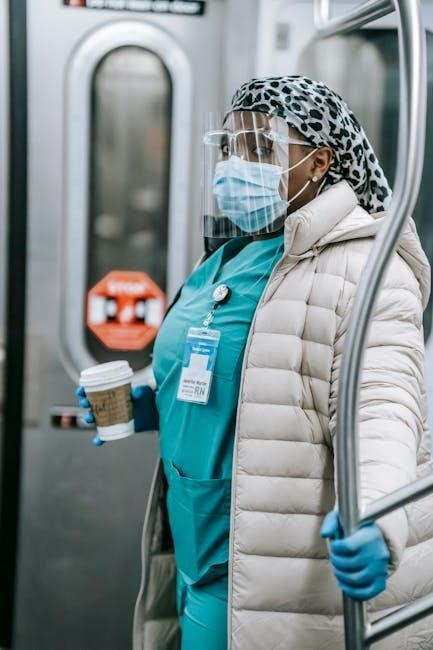
Manual handling training covers utilizing equipment like hoists, belts, and glide sheets to reduce strain and enhance patient safety during transfers.
Proper selection and application of these aids are crucial for minimizing risks and promoting efficient, safe patient handling practices.
Hoists and Sling Types
Comprehensive manual handling training must detail various hoist systems – mobile, overhead, and sit-to-stand – emphasizing their appropriate applications and limitations.
Crucially, training covers sling selection; understanding different types (full-body, loop, hammock) based on patient weight, mobility, and clinical needs is paramount.
Workers learn pre-use inspection procedures for hoists and slings, identifying damage or wear that could compromise safety.
Proper sling application techniques, ensuring correct positioning and secure fastening, are demonstrated and practiced under supervision.
Training also addresses emergency procedures, including lowering a patient in the event of hoist failure, reinforcing a proactive safety mindset.
Moving and Handling Belts
Manual handling training must thoroughly cover the appropriate use of moving and handling belts, emphasizing they are assistive devices, not lifting devices.
Workers learn correct belt application, ensuring a snug but comfortable fit around the patient’s torso, avoiding pressure points and skin irritation.
Training stresses the importance of teamwork and clear communication when using belts, with one worker directing and others providing support.
Proper body mechanics are reinforced – maintaining a straight back, bending knees, and using leg muscles during assisted movements.
Contraindications for belt use, such as patients with certain spinal injuries or fractures, are clearly outlined to prevent harm.
Glide Sheets and Turn Discs
Comprehensive manual handling training details the function of glide sheets and turn discs in reducing friction during patient repositioning, minimizing shear and skin damage.
Workers are taught proper placement of glide sheets under patients, ensuring full coverage of the area requiring movement – hips, shoulders, or entire body.
Training emphasizes gentle, controlled movements when using these aids, avoiding sudden pulls or jerks that could cause discomfort or injury.
Turn discs are demonstrated for assisting patients with limited mobility to rotate in bed, promoting pressure relief and preventing pressure ulcers.
Regular inspection of equipment for tears or damage is stressed, ensuring patient safety and maintaining the effectiveness of these assistive devices;

Training Content and Delivery
Effective programs blend theoretical knowledge with practical, supervised sessions, covering risk assessment, safe techniques, and equipment usage for healthcare workers.
Refresher courses maintain competency, addressing updates and reinforcing best practices to ensure ongoing safety and compliance within healthcare settings.
Core Elements of a Manual Handling Training Program
A comprehensive program begins with a detailed overview of relevant legislation and organizational policies regarding manual handling in healthcare.
Crucially, it must include thorough risk assessment training, empowering staff to identify hazards and implement control measures before undertaking any task.
Anatomy and physiology education, focusing on the spine and common injury mechanisms, is essential for understanding the ‘why’ behind safe techniques.
Practical sessions should demonstrate proper lifting, lowering, pushing, pulling, and carrying techniques, alongside the correct use of patient handling aids.
Finally, the program must emphasize effective communication, teamwork, and reporting procedures for incidents or near misses, fostering a proactive safety culture.
Practical Training and Supervised Practice
Effective learning necessitates hands-on experience; practical sessions should simulate real-world scenarios encountered in healthcare settings.
Participants must practice patient transfer techniques – bed to chair, assisting with walking – under the guidance of qualified instructors.
Supervised practice is vital, allowing trainees to receive personalized feedback and refine their skills before independent application.
This phase should incorporate the use of various handling aids, like hoists and belts, ensuring competency in their safe operation.
Regular observation and assessment by trainers are crucial to identify areas for improvement and reinforce correct techniques.
Refresher Training and Updates
Manual handling best practices evolve; therefore, regular refresher training is paramount for healthcare professionals.
Updates should address new equipment, revised policies, and emerging research on injury prevention techniques.
Periodic assessments reinforce knowledge and identify areas where skills may have diminished over time.
Refresher courses provide opportunities to revisit core principles and practice techniques, maintaining competency.
Continuous improvement of training programs relies on incorporating feedback and adapting to the changing needs of the healthcare environment.
Special Considerations
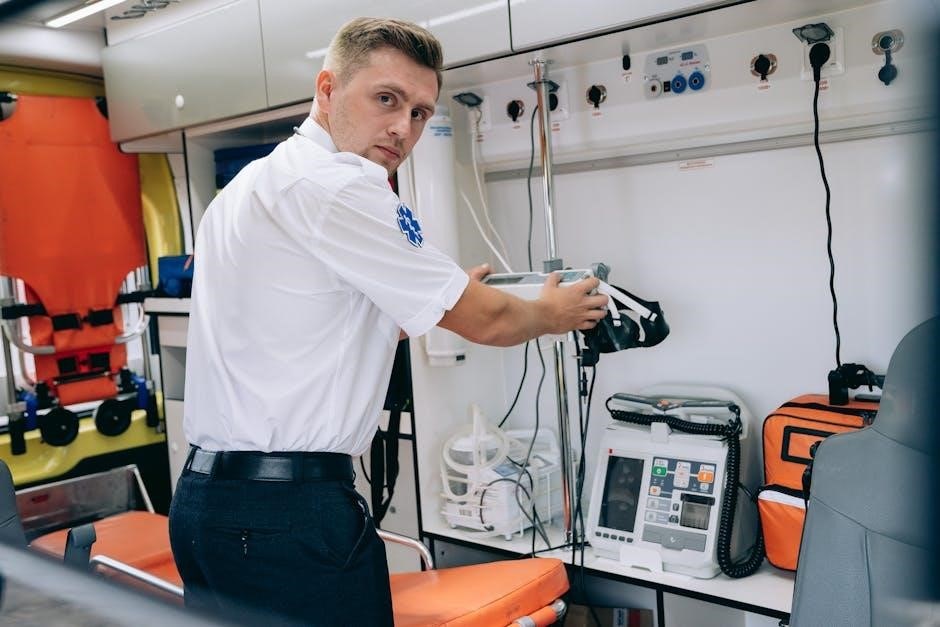
Healthcare workers require tailored training for handling diverse patient needs, including bariatric patients, those with limited mobility, or experiencing pain.
Adaptations to techniques and equipment are crucial for safe and effective patient care.
Handling Bariatric Patients
Handling bariatric patients presents unique challenges demanding specialized manual handling training. Healthcare professionals must understand altered biomechanics and increased risk factors associated with moving larger individuals.
Training should emphasize the importance of utilizing appropriate equipment, such as bariatric-specific lifting devices and wider transfer aids, to minimize strain on both the patient and caregiver.
Teamwork is paramount, requiring coordinated efforts and clear communication.
Proper assessment of the patient’s weight capacity of equipment and the environment is essential, alongside meticulous planning to prevent injuries.
Focus on dignity and respect throughout the process.
Handling Patients with Limited Mobility
Patients with limited mobility require a nuanced approach to manual handling, demanding specialized training for healthcare workers. Understanding the specific nature of each patient’s limitations – whether due to paralysis, weakness, or joint restrictions – is crucial.
Training must focus on techniques that minimize patient discomfort and prevent further injury, emphasizing support and stability during transfers.
Utilizing assistive devices, like transfer belts and slide sheets, becomes paramount.
Effective communication and patient participation are key, alongside careful assessment of the patient’s capabilities.
Prioritize patient dignity throughout the process.
Handling Patients with Pain
Handling patients experiencing pain necessitates heightened sensitivity and specialized manual handling training for healthcare professionals. Pain can significantly impact a patient’s ability to cooperate and protect themselves during transfers and movements.
Training should emphasize gentle techniques, slow and controlled movements, and constant communication to gauge the patient’s pain levels.
Pre-emptive pain management, where appropriate, should be considered.
Avoid sudden movements or positions that could exacerbate pain.
Prioritize patient comfort and dignity throughout the process.

Reporting and Investigation
Robust reporting systems are vital for tracking manual handling incidents, enabling thorough investigations, and identifying root causes to prevent future occurrences.
Detailed analysis informs training improvements.
Incident Reporting Procedures
Establishing clear and accessible incident reporting procedures is paramount. All staff must understand how and when to report any manual handling-related incident, including near misses, discomfort, or actual injuries;
Forms should be readily available – both paper-based and electronic – and designed for easy completion. Reports must detail the event, location, individuals involved, and contributing factors.
Confidentiality and non-punitive reporting are crucial to encourage honest accounts. Prompt reporting allows for timely intervention, preventing escalation and fostering a proactive safety culture.
Supervisors are responsible for ensuring reports are submitted and acknowledged, initiating the investigation process.
Investigating Manual Handling Injuries
A thorough investigation following a manual handling injury is essential. The process should be prompt, objective, and focused on identifying root causes, not assigning blame.
The investigation team should include representatives from relevant departments, potentially including health and safety personnel. They must gather evidence – witness statements, incident reports, and environmental factors.
Reviewing training records is vital to confirm competency. Analyzing the task, equipment, and work environment helps pinpoint contributing factors.
Findings should be documented and used to implement corrective actions, preventing recurrence.
Root Cause Analysis
Root Cause Analysis (RCA) goes beyond surface-level identification of issues following a manual handling incident. It aims to uncover the fundamental systemic failures that contributed to the injury.
Techniques like the “5 Whys” can effectively drill down to the core problem. Was it inadequate training, insufficient staffing, poorly designed equipment, or a lack of adherence to procedures?
RCA isn’t about blaming individuals; it’s about identifying flaws in the system.
Corrective actions must address these systemic issues to prevent similar incidents, improving overall safety and worker well-being.

Ergonomic Workplace Design
Optimizing bed heights and equipment placement minimizes reaching and twisting, reducing strain during manual handling tasks for healthcare professionals.
Thoughtful design supports safe patient handling and protects staff from musculoskeletal injuries.
Optimizing Bed Height and Positioning
Adjustable beds are crucial for safe patient handling, allowing healthcare workers to position the bed at an optimal height to minimize bending and stretching during transfers.
Proper bed height reduces the risk of back injuries for staff and enhances patient comfort and safety.
Positioning the bed correctly – considering patient size and mobility – facilitates easier and safer movement.
Locking bed wheels is essential to prevent unintended movement during procedures, ensuring stability and control.
Training should emphasize the importance of individualized bed adjustments based on the specific task and patient needs.
Ergonomic bed positioning is a cornerstone of a safe manual handling program.
Equipment Placement for Easy Access
Strategic placement of frequently used equipment – like washbasins, commodes, and walking aids – is vital for minimizing reaching, twisting, and unnecessary movement during patient care.
Items should be positioned close to the patient’s bedside, within easy reach of healthcare staff, to reduce strain and improve efficiency.
Clear pathways are essential, ensuring unobstructed access for staff and equipment, preventing trips and falls.
Training must highlight the importance of maintaining an organized workspace, free from clutter, to facilitate safe manual handling.
Proper equipment arrangement contributes significantly to a safer and more ergonomic healthcare environment.
Accessibility reduces risks for both patients and caregivers.
Minimizing Reaching and Twisting
Reaching and twisting motions significantly increase the risk of musculoskeletal disorders (MSDs) for healthcare workers; training must emphasize their avoidance.
Staff should be taught to position themselves as close as possible to the patient and the load, maintaining a neutral spine.
Adjustable beds and chairs are crucial, allowing for optimal patient positioning and reducing the need for excessive reaching.
Proper lifting techniques, focusing on bending the knees and keeping the back straight, further minimize strain.
Ergonomic assessments can identify tasks requiring modification to reduce these hazardous movements.
Prioritizing safe body mechanics protects healthcare professionals.
The Role of Teamwork
Effective teamwork is paramount in safe patient handling; clear communication and coordinated effort minimize risks for both caregivers and patients.
Two-person assists are often necessary, requiring specific techniques and a shared understanding of the task at hand.
Effective Communication During Transfers
Clear and concise communication is the cornerstone of safe patient transfers. Before initiating any movement, the team must establish a shared understanding of the plan, including the destination, the method, and any potential obstacles.
A designated leader should coordinate the transfer, providing verbal cues such as “ready, set, go” to synchronize movements. Throughout the process, team members should continuously communicate any concerns or difficulties encountered.
Using standardized terminology ensures everyone understands instructions, minimizing ambiguity. Confirming the patient’s comfort and position throughout the transfer is also vital. Open dialogue fosters a collaborative environment, reducing the risk of injury for both staff and patients.
Two-Person Assists – Techniques and Safety
Two-person assists significantly reduce the strain on individual healthcare workers during patient transfers. Proper technique involves maintaining synchronized movements and a firm grip, ensuring a stable and controlled lift.
Both team members should position themselves to maintain a neutral spine and utilize leg muscles for lifting, avoiding twisting or bending. Communication is paramount; a designated leader provides clear cues and monitors the patient’s comfort.
Regular practice and supervised training are crucial to develop coordination and proficiency. Prioritizing safety minimizes the risk of musculoskeletal injuries for both caregivers and patients.
Seeking Assistance When Needed
Healthcare workers must recognize their limitations and proactively seek assistance when a manual handling task exceeds their capabilities. Pride or time constraints should never compromise safety.
Factors demanding assistance include patient weight, limited mobility, or complex transfer scenarios. A culture of open communication encourages staff to request help without fear of judgment.
Training should emphasize the importance of teamwork and readily available resources, like colleagues or specialized equipment. Prioritizing safety prevents injuries and ensures optimal patient care.
Remember, requesting aid is a sign of professionalism, not weakness.
Post-Training Evaluation
Evaluating competency post-training is crucial, utilizing assessments and feedback to ensure healthcare workers demonstrate safe manual handling techniques consistently.
Continuous improvement relies on identifying gaps and refining programs for optimal effectiveness and lasting behavioral change.
Assessing Competency
Competency assessment extends beyond written exams; practical demonstrations are vital. Healthcare workers should be observed performing common tasks – patient transfers, lifting, and assisting with mobility – under simulated conditions.
Checklists detailing correct techniques provide a standardized evaluation framework. Assessors must verify proper body mechanics, aid utilization, and adherence to risk assessment protocols.
Direct observation allows for immediate feedback, correcting errors and reinforcing best practices. Documentation of assessment results is essential for tracking progress and identifying areas needing further development.
Regular reassessment ensures sustained competency, particularly after periods of leave or changes in patient care protocols.
Feedback Mechanisms
Robust feedback systems are crucial for continuous improvement of manual handling training. Post-training questionnaires should solicit participant opinions on content relevance, delivery effectiveness, and practical applicability.
Anonymous reporting channels encourage honest feedback regarding perceived gaps in training or workplace challenges. Regular team meetings provide a forum for discussing incidents and near misses, fostering a learning culture.
Observation of practice should include constructive criticism, highlighting both strengths and areas for development.
Analyzing incident reports identifies trends, informing targeted training updates and preventative measures.
Continuous Improvement of Training Programs
Regularly reviewing and updating training content is paramount, incorporating new research, best practices, and evolving healthcare needs. Feedback mechanisms, like post-training surveys, provide valuable insights for program refinement.
Analyzing incident reports and near-miss data identifies recurring issues, prompting targeted training adjustments. Collaboration with healthcare professionals ensures relevance and practicality.
Periodic competency assessments validate skill retention and identify areas requiring reinforcement.
Embracing innovative training methods, such as simulation and e-learning, enhances engagement and knowledge transfer.

Resources and Further Information
Numerous organizations offer guidance on safe manual handling, including websites and recommended reading materials. Online training resources provide accessible learning opportunities.
Accessing these tools empowers healthcare workers with up-to-date knowledge and supports continuous professional development in safe patient handling.
Relevant Organizations and Websites
Several key organizations champion manual handling safety within healthcare. The National Institute for Occupational Safety and Health (NIOSH) provides extensive resources and research on workplace ergonomics, including patient handling.
The Agency for Healthcare Research and Quality (AHRQ) offers tools and guidance for implementing safe patient handling programs. Additionally, professional associations like the American Nurses Association (ANA) often feature relevant safety guidelines.
Websites such as the Health and Safety Executive (HSE) (UK) and OSHA (US) provide legal frameworks and best practice advice. Tackle Warehouse, while focused on fishing, demonstrates the importance of safety in physically demanding work.
Recommended Reading Materials
For a foundational understanding, “Safe Patient Handling: A Practical Guide” by Barbara Strain offers comprehensive techniques. “Ergonomics for Healthcare Professionals” by Carolyn Cooper provides detailed insights into risk assessment and workplace design.
NIOSH’s “Elements of an Effective Employee Safety and Health Program” is crucial for program development. Publications from the HSE (UK) and OSHA (US) detail legal requirements and best practices.
While seemingly unrelated, resources from Tackle Warehouse, emphasizing preparedness and safety in challenging environments, subtly reinforce the importance of diligent training.
Online Training Resources
Several platforms offer accredited manual handling courses, including High Speed Training and iHASCO, providing flexible learning options for healthcare professionals. These modules cover risk assessment, practical techniques, and legal compliance.
The National Back Exchange (NBE) offers resources and links to approved training providers. Consider utilizing virtual reality (VR) simulations for immersive, practical experience, enhancing skill retention.
Interestingly, even resources like Tackle Warehouse’s customer support forums demonstrate the value of clear communication and problem-solving – skills transferable to safe handling practices.